
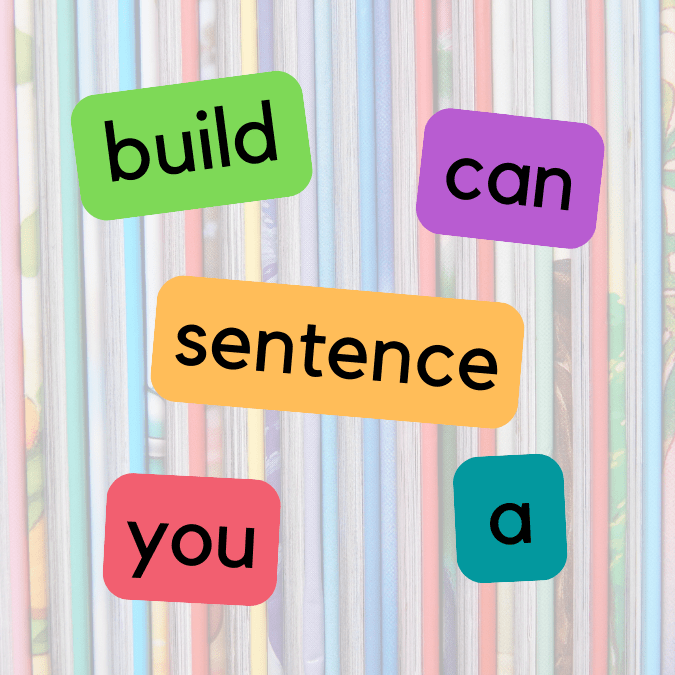
When our students start intervention, many of them are only comfortable reading simple texts or are not comfortable reading at all. This means they do not have as much familiarity with the structure of written language as their peers. Most of our students read sentences or decodable stories at the end of each lesson. This gives us the perfect opportunity to talk about sentence structure.
Author Archives: Elena Girling
What is Structured Literacy?
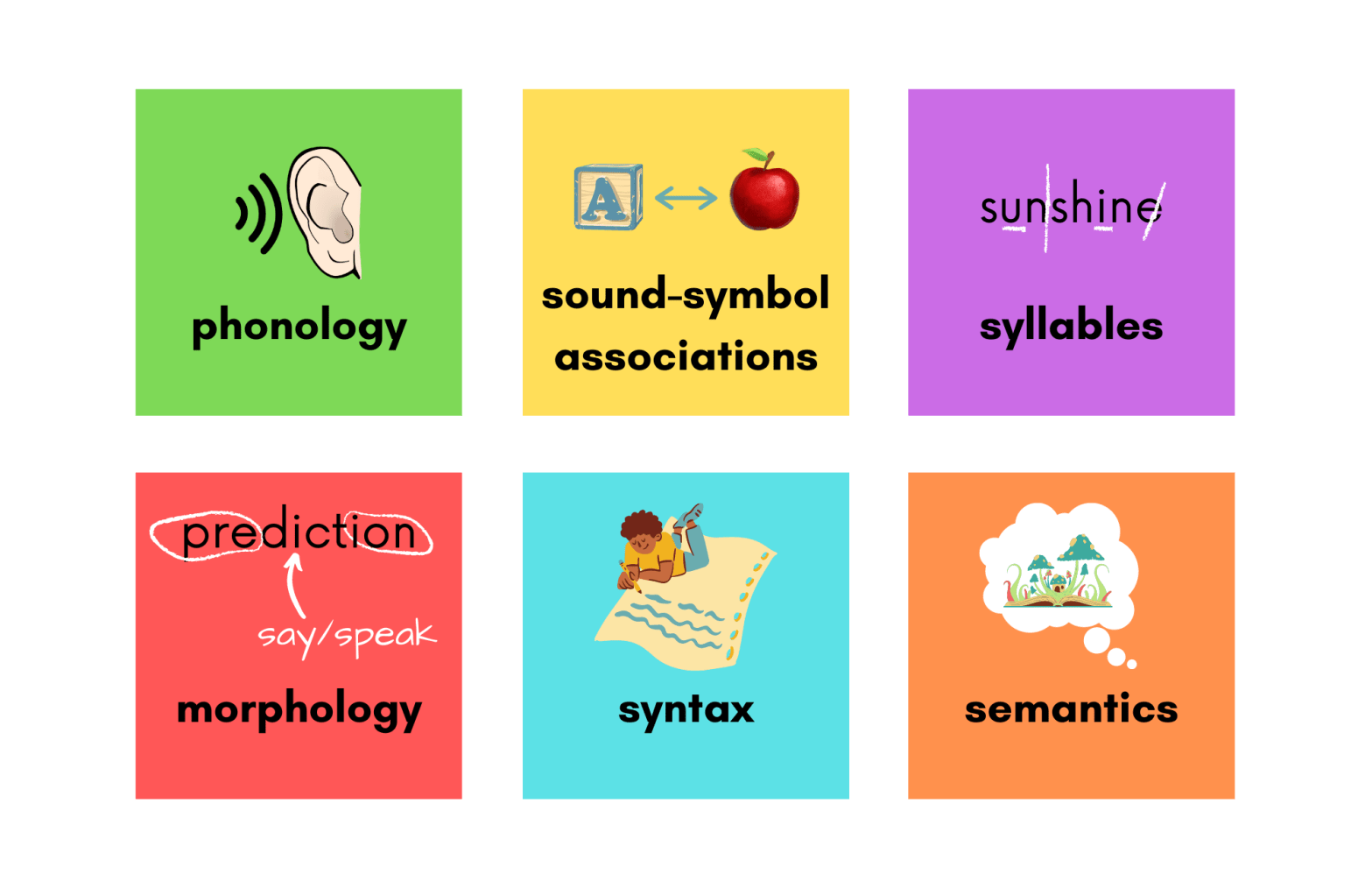
Literacy support for students with dyslexia has been under development for over 100 years. Back in the 1920s, a pathologist named Samuel Orton tried to figure out why some children with average and above average intelligence experienced language difficulties similar to his adult patients with brain damage. Since he thought that their left and rightContinue reading “What is Structured Literacy?”
Decodable Texts: They might sound strange, but…
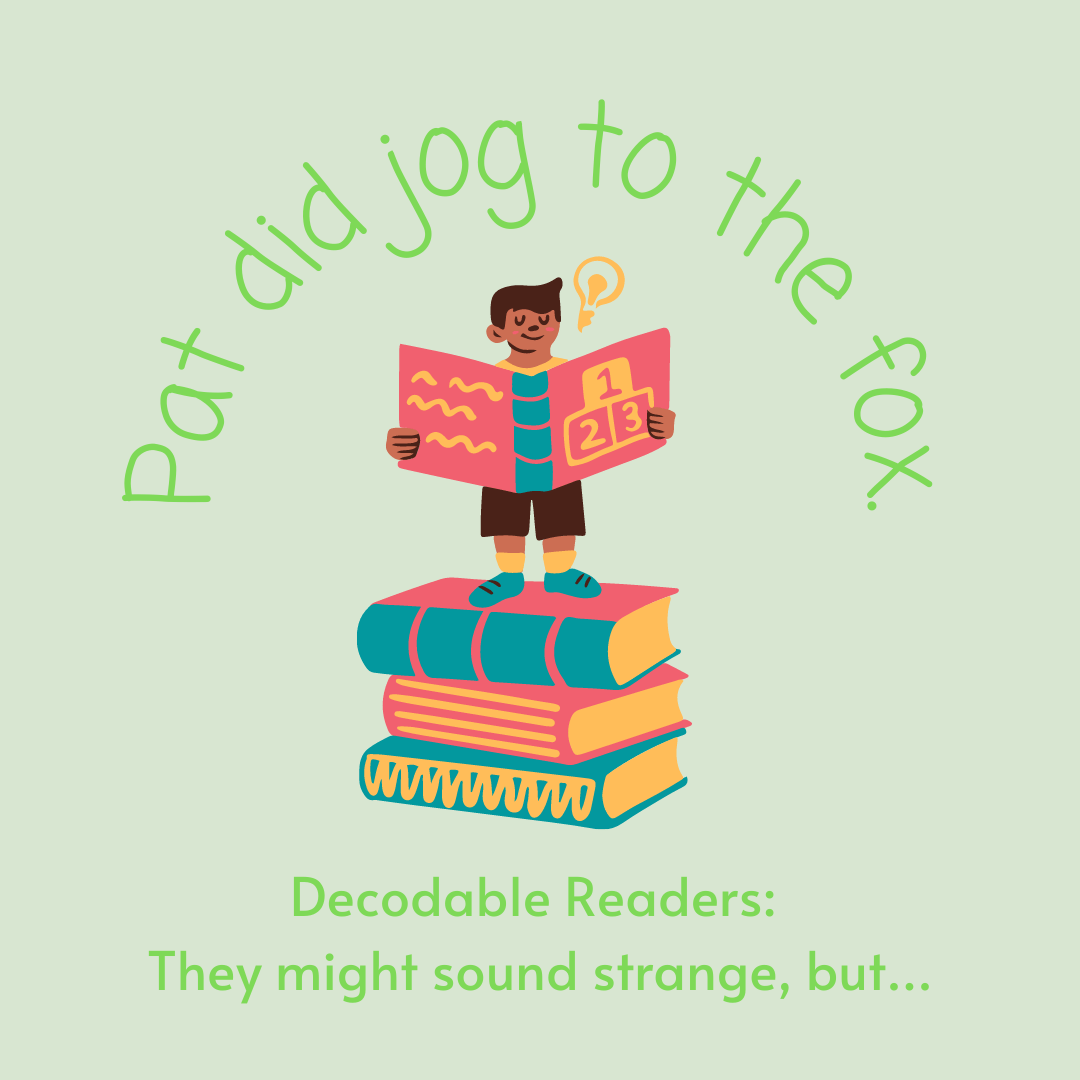
Decodable texts certainly aren’t perfect, but they are an essential component of reading instruction.
Reading Aloud

Though most of my time is spent teaching students how to read, it is also important to teach students to want to read. Children without positive reading experiences tend to avoid reading as much as possible, so they need adults to encourage them by modeling and providing enjoyable reading experiences. Reading aloud to kids is an excellent way to nurture a positive mindset toward reading.
Deliberate Practice: Creating Word Experts

Consistent, deliberate practice…the daily challenge of working towards long-term gains. We still experience difficulty as adults trying to stick with a new routine like a diet or workout plan. Do you remember how hard it was as a kid when you had even less understanding of how your daily habits would impact you in the long run?
Family Time

Let’s play review games this holiday season!
Back to School, Back to the Basics

For some students, going back to school is exciting, and the year feels full of opportunity. For others, this is a time they dread. Early intervention can help more students enjoy their school experience.
More than Sounds
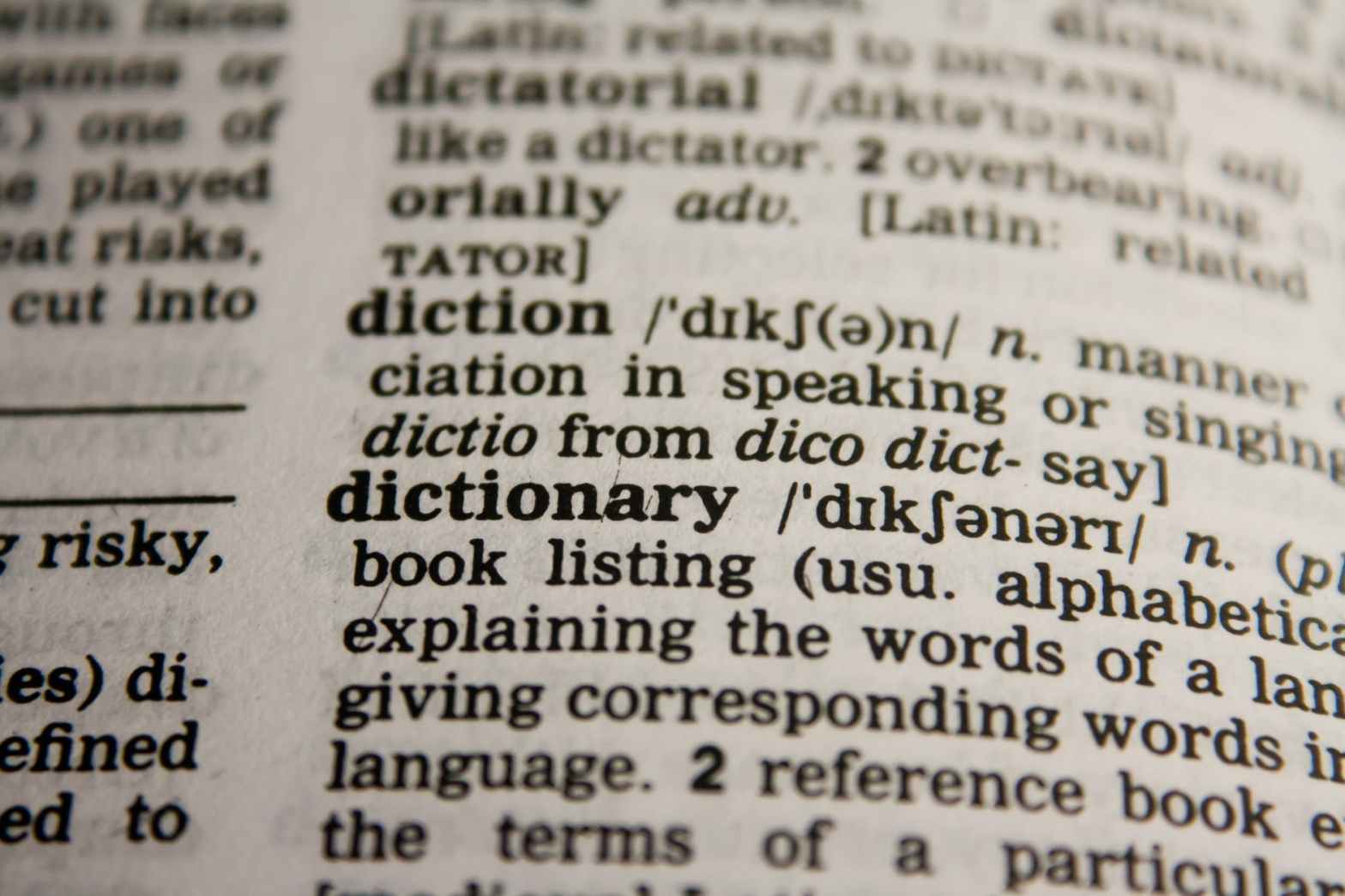
English is not as illogical as many people think, but it often seems illogical when meaning-related patterns are not included in literacy instruction.
Favorites for Summertime

Just a few recommendations to keep learning over the summer!
Reading and the Science of Learning

The science of reading has become hot-button issue in recent years, leading to arguments over who gets to claim they are following science and who is making too many compromises to make that claim. In the midst of this discussion, I think it can be easy to forget about the other important science involved — the science of learning.
 Developing Readers