
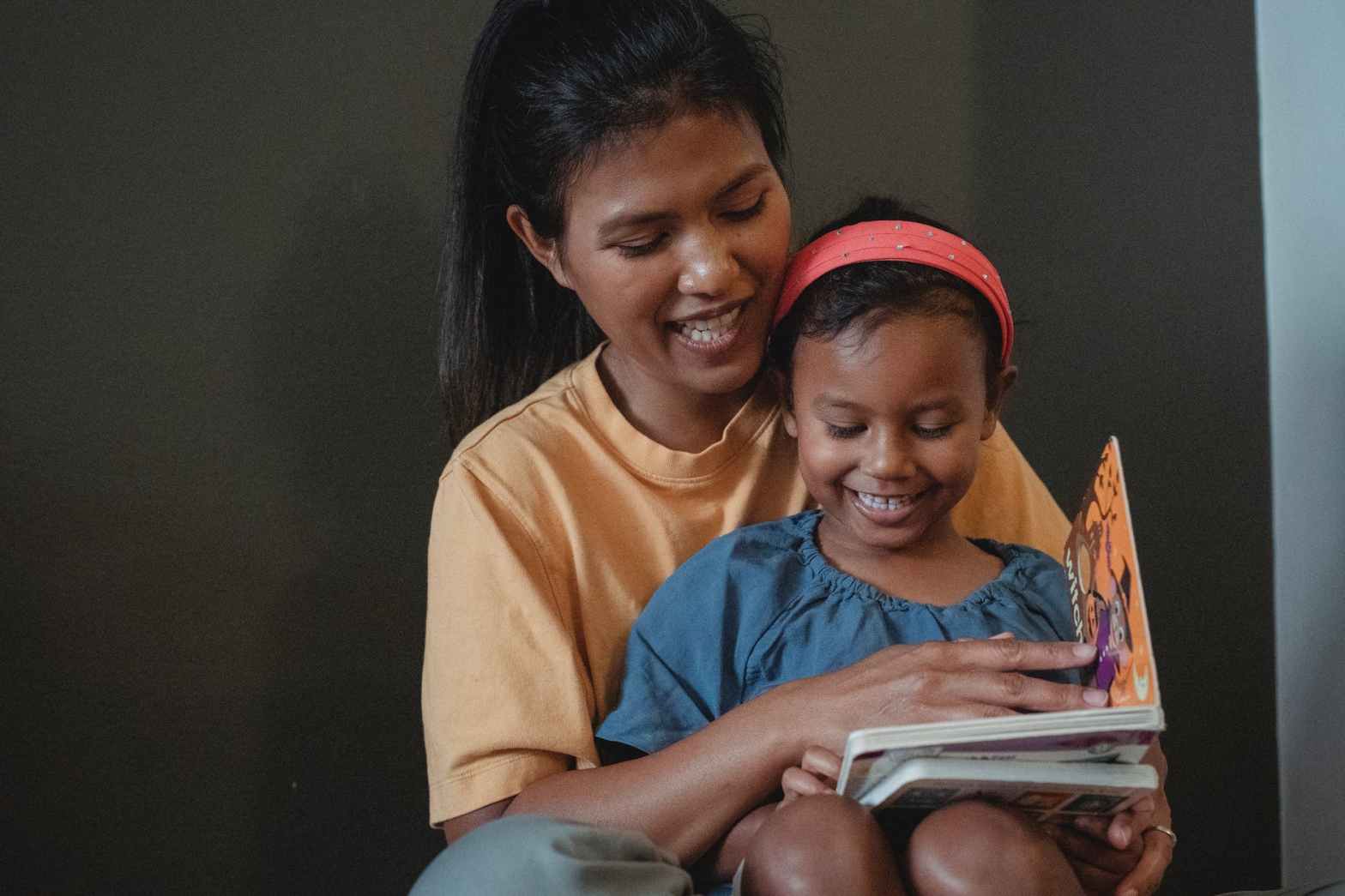

This summer one of my rising first graders commented about how she wasn’t getting any “cobwebs in her brain” over the summer because of her reading practice. I love that my youngest students understand the value of consistent learning and can find joy in working over the summer. They are excited to start school and use their growing reading and writing skills in class.
At the same time, I have rising third and fourth graders who are not looking forward to being back in the classroom at all. Even though they love to learn and get excited about summer accomplishments like finishing a book (or a whole series!), they don’t imagine that they might experience similar success in the classroom. The years they spent without reading support were too discouraging. My hope and goal is for these students to be pleasantly surprised as they apply their new strategies to schoolwork and find out they can do more than they expect.
However, this difference in mindset illustrates one of the risks of waiting to see if children will grow out of early reading difficulties. I’ve worked with preschoolers, elementary school kids, middle schoolers, teenagers, college students, and adults. All of these students can change how they approach reading. All of these students can develop stronger literacy skills. However, I’ve found that it’s much harder for my older students to trust their abilities in an academic context. I’ve seen these students experience ongoing doubt and anxiety even after a semester of hard work and straight A’s.
While organizing my materials for a new school year, my students’ school experiences have been on my mind. I will keep supporting my older students with encouragement, meaningful praise, and practical tools. But I’ll also keep trying to find those young students who are having a hard time with the foundations of reading. Early intervention is widely recommended by those who study reading difficulties. Based on decades of research, the National Institutes of Health writes, “For those with dyslexia, the prognosis is mixed…The prognosis is generally good, however, for individuals whose dyslexia is identified early, who have supportive family and friends and a strong self-image, and who are involved in a proper remediation program.”
Early childhood educators, parents of young children, grandparents – you are so important! You can help prevent years of frustration by identifying difficulties early on. If you have concerns about a child’s literacy, this is the ideal time to take action. If you have questions about the signs you’re noticing, reading specialists like me are eager to talk.
 Developing Readers